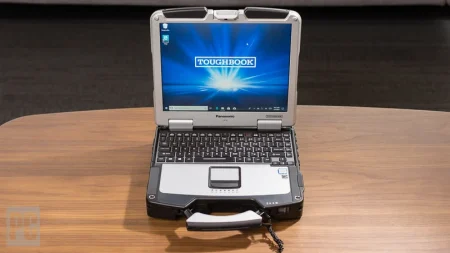




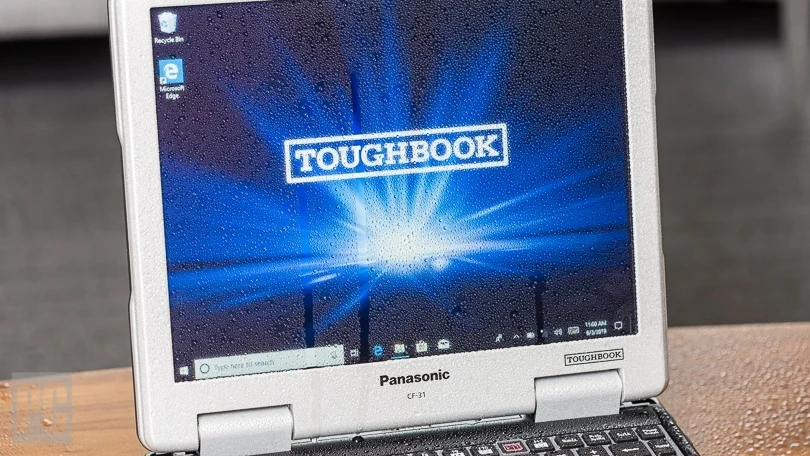
In industries where equipment failure is not an option, rugged computing continues to play a critical role. Devices built for controlled environments often fail when exposed to dust, vibration, moisture, and constant movement. This is why many field professionals still rely on proven hardware like the panasonic toughbook cf 31 laptop, which has maintained a strong presence in utilities, construction, transportation, and public sector operations due to its durability and practical design.
Unlike standard consumer laptops, rugged systems such as the CF-31 are engineered for real-world field conditions. Workers in service trucks, outdoor inspection teams, and industrial plants often operate in environments where devices are exposed to shock, temperature fluctuations, and accidental drops. The CF-31 addresses these challenges with a reinforced magnesium alloy chassis, sealed ports, shock-mounted components, and a design that prioritizes long-term reliability over lightweight aesthetics. This makes it especially valuable for teams that cannot afford downtime caused by hardware issues.
One of the most important strengths of the CF-31 is its adaptability across industries. Utility companies use it for grid inspections and maintenance tracking. Construction teams rely on it for on-site documentation and blueprint access. Logistics operators use it for fleet coordination and route management. In each of these scenarios, the device serves as a stable computing platform that supports essential workflows without interruption.
Another factor contributing to its continued relevance is compatibility with legacy systems. Many industrial operations depend on specialized diagnostic tools, serial connections, and proprietary software developed over years of infrastructure investment. The CF-31 includes a wide range of physical ports that allow direct connection to this equipment without requiring multiple adapters. This reduces setup time and improves efficiency in field operations where speed matters.
Cost efficiency also plays a significant role in the CF-31’s ongoing demand. New rugged laptops can be expensive, particularly when equipping large teams across multiple job sites. Refurbished CF-31 units offer a more accessible option while still providing the rugged performance required for demanding environments. For organizations managing tight budgets, this balance between durability and affordability can make a measurable difference in procurement decisions.
In addition to cost savings, the CF-31 supports extended product lifecycle usage, which is a key factor for industries that prioritize long-term asset management. Instead of replacing laptops every few years, organizations can maintain and redeploy CF-31 units across different teams or projects. This approach not only reduces capital expenditure but also supports more consistent operational workflows.
Field usability is another area where the CF-31 continues to perform well. Its display is designed for outdoor visibility, allowing workers to read information even under bright sunlight. The device also supports glove-friendly input, which is useful in construction sites, manufacturing floors, and cold-weather environments. These practical design elements ensure that users can interact with the system without removing protective gear or seeking controlled conditions.
Battery performance and maintenance flexibility are also key advantages. The CF-31 is built with field serviceability in mind, allowing batteries to be swapped in environments where charging access is limited. This is particularly important for teams working long shifts or remote locations where power sources are not always available. Having the ability to replace batteries quickly helps maintain productivity throughout the day.
While the CF-31 remains reliable, buyers should evaluate refurbishment quality carefully. Since many units are reconditioned for secondary use, factors such as storage type, battery condition, and system configuration become important. Solid-state drives are often preferred over traditional hard drives due to improved speed and durability. Memory upgrades can also help extend usability for modern field applications.
Security considerations should not be overlooked either. Even legacy rugged devices must meet current operational standards for data protection. Depending on use case, organizations may need to ensure proper encryption, secure login protocols, and supported operating system versions. These steps help maintain compliance and protect sensitive field data collected during operations.
Despite being an older-generation model, the CF-31 continues to demonstrate why rugged computing remains a specialized category rather than a general-purpose one. Its value lies not in raw performance but in its ability to function consistently in environments where standard devices fail. For many field teams, reliability is more important than speed or modern design trends.
As industries continue to depend on mobile operations and distributed workforces, devices like the CF-31 remain relevant. They provide a dependable computing foundation for essential tasks such as reporting, diagnostics, scheduling, and communication. While newer rugged laptops offer higher processing capabilities, the CF-31 remains a practical choice for organizations that prioritize stability and cost control.
For businesses evaluating rugged computing options or looking to extend the lifecycle of proven field hardware, refurbished solutions remain a strong consideration. To explore dependable rugged laptop configurations and field-tested systems designed for demanding environments, visit Tough Rugged Laptops and find solutions that align with your operational needs.