



Winter can make your home feel darker and less colorful, especially when shorter days and colder temperatures keep you indoors. Winter faux flower arrangements offer an easy way to bring warmth, color, and seasonal character into your home without the maintenance required by fresh flowers.
Unlike real flowers, artificial blooms don’t wilt, require watering, or need to be replaced every few days. They can also be stored and reused year after year, making them a practical choice for seasonal decorating.
Whether you prefer an elegant neutral palette, rustic greenery, or a more colorful arrangement, these 15 winter faux flower ideas can help you refresh your home during the colder months.
1. White Hydrangeas With Evergreen Greenery
White hydrangeas are an excellent choice for an elegant winter arrangement. Their large, full blooms provide plenty of volume, while deep green foliage creates contrast.
Combine faux white hydrangeas with artificial evergreen branches and place them in a simple ceramic or glass vase. You can also add a few frosted stems for a subtle winter effect.
This arrangement works particularly well on dining tables, living room consoles, entryway tables, and mantels.
Best color combination: White, deep green, and soft silver.
2. Frosted White Flower Arrangement
For a sophisticated winter look, combine white artificial flowers with frosted greenery.
Frosted leaves and branches can create the appearance of a light layer of snow without making your decor feel overly festive. Add white roses, hydrangeas, chrysanthemums, or other full blooms for additional texture.
A white ceramic vase can enhance the snowy aesthetic, while a clear glass vase creates a lighter, more contemporary appearance.
Styling tip: Keep the arrangement mostly white and use greenery as an accent rather than the dominant element.
3. White Roses With Silver Foliage
White roses aren’t limited to spring and romantic occasions. When combined with silver-toned foliage, they can create an elegant winter centerpiece.
Pair faux white roses with artificial eucalyptus, silver leaves, or muted branches. A metallic vase can add another layer of sophistication.
This arrangement is particularly suitable for formal dining rooms, living rooms, and bedrooms where you want a refined seasonal accent.
4. Winter Berry and Greenery Arrangement
Artificial berries can add color and texture to a winter arrangement.
For a traditional seasonal appearance, combine red berries with evergreen-style greenery. If you want something that works beyond Christmas, choose burgundy, white, brown, or muted berries instead.
Place the arrangement in a neutral vase or decorative basket to create a warm, natural look.
Best for: Entryways, mantels, kitchen counters, and side tables.
5. Neutral Beige and Cream Arrangement
Winter decorating doesn’t always need to involve white, red, and green. Neutral colors can create a warm and sophisticated atmosphere.
Combine cream-colored faux flowers with beige, taupe, soft brown, and muted green foliage. Artificial grasses and textured stems can add depth without introducing strong colors.
This arrangement works especially well in homes with neutral furniture, natural wood finishes, and minimalist interiors.
6. Eucalyptus and White Flower Arrangement
Faux eucalyptus provides a soft green-gray color that naturally complements winter decor.
Combine eucalyptus stems with white roses, hydrangeas, or smaller white blooms. The muted foliage keeps the arrangement from looking too bright while still giving the room a fresh appearance.
Place the finished arrangement in a simple ceramic vase for a modern and relaxed look.
This style is also versatile enough to remain in your home after winter ends.
7. Winter Wildflower-Inspired Arrangement
You don’t have to create a perfectly symmetrical bouquet. A loose, wildflower-inspired arrangement can provide a more natural and casual appearance.
Combine different artificial flower varieties with grasses, delicate branches, small blooms, and greenery. Vary the height of the stems so that some flowers sit higher and others remain closer to the vase.
This approach works particularly well in farmhouse, cottage, rustic, and relaxed interior styles.
Styling tip: Avoid making every stem perfectly straight. Slightly adjusting the stems can make the arrangement look more organic.
8. Burgundy and Deep Green Arrangement
Deep colors can make a room feel warmer during the colder months.
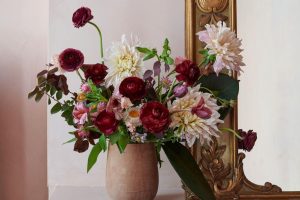
Combine burgundy or wine-colored artificial flowers with dark green foliage. You can also add brown branches, muted berries, or dried-looking artificial stems.
This combination offers a rich winter aesthetic without relying heavily on traditional Christmas decorations.
It’s particularly effective in dining rooms, home offices, libraries, and formal living spaces.
9. White Tulips With Winter Greenery
White artificial tulips can help create a clean and simple winter display while also transitioning naturally toward spring.
Place faux white tulips in a tall, narrow vase and add a small amount of understated greenery. Keep the arrangement relatively minimal rather than filling the container with too many stems.
This style works well on kitchen islands, coffee tables, bedside tables, and bathroom counters.
It’s also a good choice if your interior design style is modern or Scandinavian-inspired.
10. Pinecone and Faux Flower Arrangement
Pinecones provide natural-looking texture and are an excellent addition to winter arrangements.
Combine artificial pinecones with neutral flowers, evergreen-style branches, berries, and other foliage. The contrast between soft flower petals and textured pinecones makes the arrangement more visually interesting.
For a rustic appearance, place the arrangement in a wooden container, woven basket, or distressed ceramic vase.
This style works particularly well with farmhouse and cabin-inspired interiors.
11. Frosted Branches With Minimal Blooms
If you prefer minimalist decor, you don’t need a large floral arrangement.
Place several tall frosted artificial branches in a simple vase and add a few small white flowers. Leave enough space between the stems to maintain an airy appearance.
This type of arrangement works well in modern interiors, particularly when you want to decorate an empty corner without making the space feel crowded.
A tall floor vase can also turn this idea into a larger statement piece.
12. Blue and White Winter Arrangement
Blue and white create a crisp winter-inspired color combination.
Combine white artificial flowers with soft blue or dusty-blue accents. Silver foliage or frosted branches can help connect the colors and introduce additional texture.
This palette is a good alternative if you want seasonal decor that doesn’t rely on traditional red and green.
For an especially elegant look, use a white or silver vase.
13. Winter Orchid Arrangement
Artificial orchids can create a sophisticated focal point during winter.
White faux orchids are especially versatile because they work with almost any interior color palette. Place several orchid stems in a tall planter and add subtle greenery around the base.
Orchids can work particularly well in entryways, bathrooms, bedrooms, and contemporary living rooms.
Because artificial orchids don’t require sunlight or watering, you can also use them in areas where real orchids may struggle.
14. Rustic Winter Flower Arrangement
For a cozy farmhouse or rustic look, combine artificial flowers with branches, grasses, berries, and greenery.
Instead of using a traditional glass vase, consider a wooden container, woven basket, galvanized-style planter, or textured ceramic vessel.
Choose muted colors such as cream, beige, brown, burgundy, and dark green to create a warm winter palette.
This type of arrangement works particularly well with wood furniture, exposed brick, neutral fabrics, and other natural materials.
15. Simple Winter Greenery and White Berry Centerpiece
Sometimes a simple arrangement can have the biggest impact.
Combine evergreen-style greenery with white artificial berries and a few small white flowers. Keep the arrangement relatively low if you’re using it as a dining table centerpiece.
A low profile makes it easier for people sitting around the table to see one another while still adding seasonal interest.
This arrangement can also be used on a coffee table, kitchen island, console, or entryway table.
How to Make Winter Faux Flower Arrangements Look More Realistic
One common concern with artificial flowers is that they can sometimes look too uniform or synthetic. A few simple styling techniques can make a significant difference.
Vary the Heights
Avoid keeping every stem at exactly the same height. Place taller branches toward the back and shorter flowers toward the front.
Different heights create depth and make the arrangement look more natural.
Mix Different Textures
Don’t use only one type of flower. Combine blooms with leaves, berries, branches, grasses, and other foliage.
The combination of different textures can make artificial arrangements appear much more realistic.
Adjust the Stems
Many faux flower stems can be gently bent and repositioned. Take some time to separate the stems and adjust their angles instead of placing them exactly as they came from the packaging.
Don’t Overfill the Vase
A common mistake is adding too many flowers.
Leaving some space between stems can create a more natural appearance and prevent the arrangement from looking artificial or overcrowded.
Choose the Right Vase
The container is an important part of the overall arrangement.
For example:
- Ceramic vases work well for modern arrangements.
- Glass vases create a light and elegant appearance.
- Wooden containers suit rustic decor.
- Woven baskets create a cozy farmhouse feel.
- Metallic containers can add sophistication.
Keep Your Color Palette Controlled
Try to use two or three primary colors instead of combining too many shades.
Some winter-friendly combinations include:
- White + green
- Cream + beige + brown
- White + silver + green
- Burgundy + deep green
- Blue + white
- Taupe + cream + muted green
Where to Display Winter Faux Flower Arrangements
You can use winter floral arrangements throughout your home rather than limiting them to one centerpiece.
Living Room
Place a medium-sized arrangement on a coffee table, side table, bookshelf, or console.
Entryway
A tall arrangement on an entryway table can create an inviting first impression.
Dining Room
Choose a low centerpiece that adds color without blocking the view across the table.
Bedroom
A small neutral arrangement can add warmth to a dresser or nightstand.
Kitchen
Use a compact arrangement on a kitchen island, countertop, or breakfast table.
Home Office
A small vase of faux flowers or greenery can add visual interest without taking up too much workspace.
Bathroom
White orchids, hydrangeas, or other artificial flowers can create a clean, spa-inspired atmosphere.
How to Transition From Christmas Decor to Winter Decor
One of the benefits of winter floral arrangements is that they can help bridge the gap between Christmas decorating and early spring.
After the holidays, remove decorations that are strongly associated with Christmas, such as ornaments, stockings, and Santa-themed accessories.
You can keep neutral greenery, white flowers, pinecones, berries, and natural textures.
For example, a Christmas arrangement featuring red flowers and ornaments can easily become a winter arrangement by removing the ornaments and replacing some of the red flowers with white, cream, or muted-toned blooms.
This allows your home to maintain a seasonal appearance without making it feel like Christmas is still being celebrated.
Why Choose Faux Flowers for Winter Decorating?
Artificial flowers offer several practical benefits for seasonal home decorating.
They Last for Multiple Seasons
Unlike fresh flowers, faux flowers don’t wilt after a few days. With proper storage, you can reuse them every winter.
They Require Minimal Maintenance
There’s no watering, trimming, changing water, or worrying about flowers wilting while you’re away.
They Provide Consistent Color
Artificial flowers maintain their appearance throughout the season, helping your arrangements look consistent for weeks or months.
They Can Be Used Almost Anywhere
Because they don’t require sunlight or water, faux flowers can be displayed in darker corners, hallways, offices, and other areas where live plants may not thrive.
They Make Seasonal Decorating Easier
Once you’ve created an arrangement you love, you can leave it in place for the entire season without having to replace individual flowers.
Tips for Storing Winter Faux Flowers
Proper storage can help extend the life of your artificial flowers.
Before putting them away, gently remove dust and debris from the stems and leaves. Avoid crushing the flowers under heavy objects, as this can permanently deform delicate petals.
Use a spacious storage container and keep larger arrangements upright when possible. If you need to disassemble them, store individual stems carefully so they don’t become bent or tangled.
Keep your faux flowers in a cool, dry location away from excessive moisture and direct sunlight.
When the next winter arrives, simply take them out, reshape the stems, and refresh the arrangement.
Final Thoughts
Winter is an excellent time to experiment with artificial flowers and greenery. You can create anything from an elegant white-and-silver centerpiece to a warm rustic arrangement featuring berries, pinecones, and greenery.
The best winter faux flower arrangements don’t necessarily need to look traditionally festive. By combining appropriate colors, different textures, varied heights, and complementary containers, you can create seasonal displays that feel natural and stylish throughout the colder months.
If you’re looking for artificial blooms and greenery to create your own seasonal displays, Fake Flowers offers a variety of options that can help you bring lasting color and character into your home. With the right faux flowers, you can enjoy beautiful winter arrangements year after year without the maintenance of fresh blooms.