

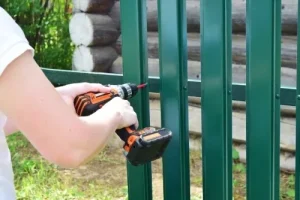



Choosing the best fence company is about more than finding a contractor who can install posts and panels. A fence is a long-term investment that affects your property’s security, privacy, appearance, and value. While many contractors may offer similar fencing materials, the quality of the experience and final installation can vary significantly.
So, how can you tell whether you’re hiring a truly professional fencing company or simply an average contractor? The difference often comes down to communication, workmanship, material quality, attention to detail, and how the company handles your project from the first consultation through completion.
Here are 10 things that separate the best fence company from an average contractor.
1. They Start With a Proper Property Assessment
A professional fence installation should begin with an evaluation of your property—not simply a quote based on measurements or photos.
The best fencing contractors take time to understand:
- Your property’s layout
- Existing landscaping and structures
- Slopes and changes in elevation
- Driveways, walkways, and gates
- Existing fencing
- Property boundaries
- Drainage considerations
- Potential access issues
- Local requirements that may affect installation
A proper assessment helps contractors identify potential problems before installation begins.
For example, a property with significant elevation changes may require a different installation approach than a flat yard. Similarly, trees, retaining walls, utility infrastructure, and other obstacles can affect where fence posts can be installed.
An average contractor may focus primarily on getting the fence installed. A professional contractor focuses on getting it installed correctly.
2. They Help You Choose the Right Fence Material
The best fence company doesn’t simply sell you the material with the highest price tag. Instead, they help you select a fence based on your property’s needs and your priorities.
Different materials offer different advantages.
Wood Fencing
Wood can provide a traditional, natural appearance and works well for privacy applications. However, it requires ongoing maintenance and may eventually need staining, sealing, repairs, or replacement.
Vinyl Fencing
Vinyl fencing can provide a clean appearance while requiring relatively little maintenance. It is commonly considered for privacy and residential applications.
Aluminum Fencing
Aluminum fencing offers a decorative appearance and is often used where homeowners want an attractive boundary without the maintenance associated with traditional wood.
Chain-Link Fencing
Chain-link fencing is practical for security, property boundaries, pets, and many commercial applications. It can also be a cost-effective option for larger areas.
A good contractor explains the advantages and limitations of each material rather than pushing you toward a single option.
3. They Provide Clear, Detailed Estimates
A professional estimate should make it clear what you’re paying for.
Instead of simply saying that the project will cost a certain amount, a quality contractor should explain relevant components such as:
- Fence material
- Fence length
- Fence height
- Number and type of gates
- Labor
- Removal of existing fencing, if applicable
- Site preparation
- Special installation requirements
- Additional materials
- Potential project-related costs
A detailed estimate makes it easier to compare contractors fairly.
It also reduces the possibility of unexpected costs appearing later because important parts of the project were never discussed.
What should you ask?
Before accepting an estimate, ask:
“Does this price include everything required to complete the installation?”
Getting the answer in writing can help prevent misunderstandings.
4. They Pay Attention to Fence Post Installation
Fence panels may be the most visible part of a fence, but the posts are critical to its stability.
A professional contractor understands that proper post installation affects the long-term performance of the entire fence.
Depending on the property and fence type, installation considerations can include:
- Appropriate post depth
- Post spacing
- Soil conditions
- Frost considerations
- Concrete or other setting methods
- Drainage
- Fence height
- Wind exposure
- Property slope
Poorly installed posts can contribute to leaning, shifting, sagging, and premature fence failure.
This is one reason you shouldn’t judge a fencing contractor solely by how attractive their completed projects look. Much of good fence installation happens below the surface.
5. They Deliver Consistent Workmanship
Professional workmanship is often visible in the details.
A quality fence should have consistent:
- Post alignment
- Panel spacing
- Fence height
- Gate alignment
- Hardware installation
- Corner transitions
- Cuts and connections
- Finishing
On a long fence line, even small inconsistencies can become noticeable.
The best contractors understand that a fence should look intentional from every angle—not just from the street.
They also take care around existing landscaping, driveways, sidewalks, buildings, and other structures instead of treating the installation as a one-size-fits-all project.
6. They Take Gates Seriously
Gates are one of the most frequently used parts of a fence, which makes their installation especially important.
A professionally installed gate should open and close properly without unnecessary dragging, sagging, or misalignment.
The contractor should consider:
- Gate width
- Hardware
- Hinge placement
- Latch position
- Ground clearance
- Slope
- Frequency of use
- Security requirements
- Long-term durability
A fence can look excellent, but a poorly functioning gate can quickly become a daily frustration.
Experienced contractors understand that gates require careful planning rather than simply being treated as another section of fencing.
7. They Understand Local Requirements
Fence installation isn’t always as simple as choosing a material and putting it along the property line.
Local requirements, property boundaries, easements, neighborhood rules, and permitting considerations may affect a project.
A knowledgeable fencing contractor can help homeowners understand which requirements may need to be investigated before installation.
This is particularly important when a fence is being installed near:
- Property lines
- Sidewalks
- Streets
- Alleys
- Shared boundaries
- Utility areas
- Existing structures
Homeowners should still verify applicable requirements with the appropriate local authorities, but an experienced contractor should know what questions need to be asked before work begins.
8. They Communicate Throughout the Project
Communication is one of the simplest ways to distinguish a professional contractor from an average one.
Good communication should begin before installation.
A reliable fencing company should provide reasonable clarity about:
- Project scope
- Expected timeline
- Materials
- Installation process
- Scheduling
- Potential delays
- Changes to the project
- Completion expectations
If weather, material availability, site conditions, or another issue affects the schedule, a professional contractor communicates the change rather than leaving the homeowner wondering what happened.
Good communication doesn’t necessarily mean that everything goes perfectly. It means problems are addressed professionally when they occur.
9. They Stand Behind Their Work
A fence is expected to last for years, so homeowners should consider what happens after installation.
Before hiring a contractor, ask about:
- Workmanship warranties
- Manufacturer warranties
- Maintenance requirements
- Repair policies
- What happens if an installation issue appears
- How warranty claims are handled
Be sure to understand the actual terms rather than assuming that every fence component has the same warranty.
A contractor who clearly explains warranty coverage demonstrates greater transparency and gives customers a better understanding of their investment.
10. They Have a Reputation Built on Completed Projects
One of the strongest indicators of a fencing company’s capabilities is its track record.
Before hiring a contractor, look for evidence of previous work, including:
- Project photos
- Customer reviews
- Testimonials
- References
- Experience with your preferred fence material
- Experience with projects similar to yours
Don’t only look at whether a company has positive reviews. Pay attention to what customers mention.
Do they talk about:
- Professionalism?
- Communication?
- Quality of installation?
- Cleanliness?
- Timeliness?
- Responsiveness?
- How the company handled problems?
A strong reputation is usually built through consistent performance over many projects.
Best Fence Company vs. Average Contractor: Quick Comparison
| Factor | Best Fence Company | Average Contractor |
| Property assessment | Evaluates the site thoroughly | May rely on basic measurements |
| Material selection | Recommends options based on needs | May push a limited selection |
| Estimates | Detailed and transparent | May provide limited information |
| Fence posts | Focuses on proper installation | May prioritize speed |
| Workmanship | Consistent attention to detail | Quality can vary |
| Gates | Carefully planned and installed | May receive less attention |
| Local requirements | Helps identify important considerations | May leave research entirely to homeowner |
| Communication | Provides regular updates | Communication may be inconsistent |
| Warranty | Explains coverage clearly | May provide limited information |
| Reputation | Demonstrated through reviews and completed work | Track record may be less established |
Questions to Ask Before Hiring a Fence Company
Before signing a contract, consider asking the following questions:
- How much experience do you have with my type of fence?
- Can I see examples of similar projects you’ve completed?
- What materials do you recommend for my property and why?
- What is included in the estimate?
- Are there any potential additional costs?
- How will you handle uneven or sloped areas?
- How will the fence posts be installed?
- Who will handle permits or other required approvals?
- What warranty coverage is available?
- How do you handle repairs or installation issues after completion?
The answers can tell you a lot about how seriously a contractor approaches the project.
Don’t Choose a Fence Contractor Based on Price Alone
Price is naturally an important consideration, but choosing the lowest estimate isn’t always the best financial decision.
A cheaper fence may involve differences in:
- Material quality
- Installation methods
- Post installation
- Hardware
- Project preparation
- Workmanship
- Warranty coverage
A poorly installed fence can eventually require repairs or replacement, potentially costing more than choosing a qualified contractor from the beginning.
Instead of asking only, “Who is the cheapest?”, consider asking:
“Which contractor offers the best overall value for my property?”
That means comparing price alongside materials, workmanship, experience, communication, warranties, and reputation.
Final Thoughts
The best fence company is not necessarily the one with the biggest advertisement or the lowest quote. It is the company that approaches your project professionally from beginning to end.
A strong fencing contractor evaluates your property, recommends appropriate materials, provides a transparent estimate, focuses on proper installation, communicates clearly, pays attention to details, and stands behind its work.
If you’re planning a residential or commercial fencing project in Philadelphia, SuperFenceCo can be part of your research when comparing local fencing contractors. Take the time to evaluate your options, ask the right questions, and choose a contractor that prioritizes quality and long-term value—not simply getting the job finished quickly.
