


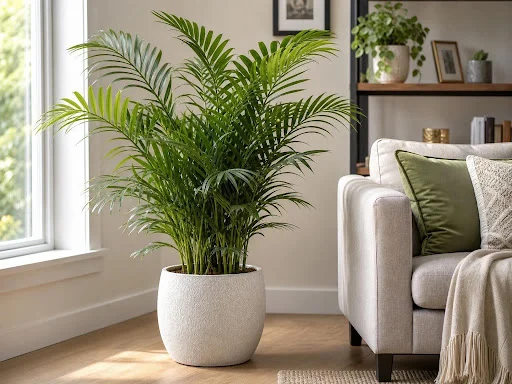
A room can have attractive furniture, fresh paint, and carefully chosen décor yet still feel like something is missing. Often, the missing element is height, texture, or a natural-looking accent that connects the rest of the room. A well-placed fake floor plant can fill an empty corner, soften hard architectural lines, and introduce greenery without creating another item on the household maintenance list.
Why Greenery Makes Such a Difference
Plants work well in interior design because they introduce shapes and textures that contrast with common household materials. Sofas, tables, cabinets, walls, and shelving tend to rely on straight lines and solid surfaces. Leaves and branches add softer forms that help a room feel more balanced.
Floor plants are particularly useful because of their size. A small tabletop plant may add color, but a taller plant can influence the look of an entire section of a room. It can visually connect furniture to tall walls, fill unused vertical space, or add interest beside a window or doorway.
Artificial options also remove many of the limitations associated with living plants. There is no need to consider watering schedules, soil, pruning, seasonal changes, or whether a particular corner receives enough sunlight.
Choose a Plant That Fits the Scale of the Room
Size is one of the most important considerations when selecting a floor plant. A plant that is too small can disappear beside substantial furniture, while an oversized option may make a compact room feel crowded.
For living rooms with high ceilings or large furniture, taller plants can create better visual proportion. Smaller rooms may benefit from narrow plants that provide height without occupying much floor space.
Consider nearby furnishings as well. A floor plant placed next to a large sectional should have enough presence to hold its own visually. Beside a small accent chair or console table, a more restrained size may look better.
The container also contributes to the overall scale. A decorative planter or basket can increase the visual weight of the arrangement and help it coordinate with the rest of the room.
Use Empty Corners More Effectively
Empty corners are among the easiest places to use floor plants. They frequently occur beside sofas, entertainment centers, entryway furniture, and windows.
Rather than adding another table or piece of furniture, a plant can occupy the area without making the room feel heavily furnished. The leaves also help soften the sharp angle where two walls meet.
Floor plants can serve a similar purpose beside bookcases or cabinets. Adding greenery next to these large rectangular pieces creates contrast and prevents one section of the room from appearing overly rigid.
Bedrooms can benefit from the same approach. A tall plant near a dresser, reading chair, or bedroom corner can provide decoration without taking up valuable storage space.
Think Beyond the Living Room
Floor plants can work throughout a home.
In an entryway, greenery can make the space feel more welcoming while adding height near a console or bench. In a home office, a plant can provide visual interest around desks, shelving, or video-call backgrounds.
Dining rooms often have unused corners that are difficult to decorate without introducing additional furniture. A floor plant can add texture while leaving circulation space available.
Artificial greenery is also useful in areas where living plants can be difficult to maintain. Rooms with inconsistent natural light, frequently closed blinds, or changing temperatures can still have a botanical look without relying on suitable growing conditions.
Use Floor Plants for Home Staging
Realtors and home stagers can also use artificial floor plants to make listing photos and property tours more inviting.
Vacant or minimally furnished properties sometimes appear stark in photographs. Greenery introduces another layer of texture and helps rooms feel more lived-in without adding personal belongings that could distract buyers.
Plants can also help direct attention toward desirable features. Positioning one near a fireplace, bright window, built-in shelving unit, or seating arrangement can subtly frame that part of the room.
Because artificial plants remain visually consistent, they are practical for properties that may be staged for several weeks. There is no concern about leaves dropping, plants wilting, or watering arrangements between showings.
Keep the Styling Natural
Artificial plants tend to look most convincing when styled as part of the room rather than treated as standalone decorations.
Choose containers that suit the existing décor. Woven baskets complement relaxed and natural interiors, while simple ceramic or neutral planters can suit modern spaces.
Placement also matters. Avoid lining several large plants together unless the room specifically calls for a strong botanical theme. One carefully positioned floor plant often makes a stronger statement than several competing pieces.
It can also help to vary plant heights throughout the home. Pairing a tall floor plant with smaller greenery elsewhere creates visual continuity without making every room look identical.
Avoid Overfilling the Room
One common decorating mistake is using greenery to fill every available gap. Plants should support the furniture arrangement rather than make the room feel busy.
Before choosing a location, consider walking paths, doors, drawers, and nearby seating. Leaves should not interfere with everyday movement or make a narrow area feel tighter.
The goal is simple: use greenery where the room needs height, softness, texture, or a stronger visual finish.
A thoughtfully selected floor plant can bring warmth and character to a living room, bedroom, office, entryway, or staged property without ongoing plant care. For homeowners, decorators, and real estate professionals looking for long-lasting artificial greenery, explore the floor plant selection available from Fake Flowers and find a style that fits your space.