




When Should You Install a Duct Booster Fan in a Forced-Air HVAC System?
Rooms located far from a furnace or air handler often receive less conditioned air than rooms near the central equipment. Long duct runs, multiple bends, pressure losses, and layout limitations can all reduce air delivery. When the underlying HVAC system is operating properly, a Duct booster fan may help move more heated or cooled air through a specific duct run without requiring major changes to the entire distribution system.
How Does a Duct Booster Fan Work?
A duct booster fan is installed inside a section of ductwork. When operating, the fan assists the air already moving through the duct and directs it toward the room or area experiencing weak airflow.
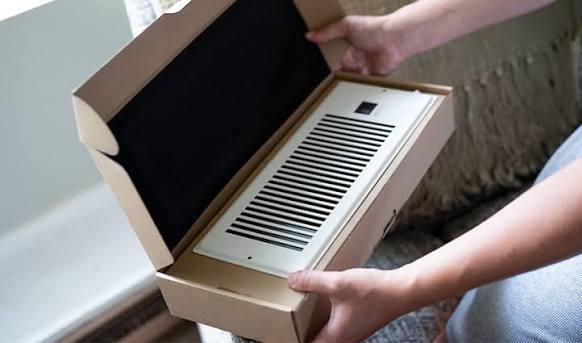
Unlike a register booster, which is positioned at the supply opening, an in-line model works within the duct run. This placement allows it to support airflow before the air reaches the register. It may be useful for rooms connected to long branch ducts, upper floors, additions, workshops, converted attics, and other spaces that are difficult to serve evenly.
The fan does not heat or cool the air itself. It works with an existing forced-air system and should only be considered after confirming that the HVAC equipment can supply enough conditioned air.
Signs That a Booster Fan May Help
One common sign is a room that remains warmer or cooler than the rest of the building even though its supply register is open. Airflow at the register may feel noticeably weaker than it does at nearby outlets.
The problem may become more apparent during periods of heavy heating or cooling demand. An upstairs bedroom might remain uncomfortable during hot afternoons, while a distant office may struggle to stay warm during winter mornings.
A booster fan may also be considered when:
- One branch duct serves a room far from the air handler
- Airflow is satisfactory throughout most of the building
- The affected duct is properly connected and reasonably clean
- The supply register is open and unobstructed
- Major duct replacement would be difficult or costly
These conditions suggest a localized air-delivery concern. If weak airflow affects numerous registers, the cause may involve the blower, filter, coil, duct sizing, or overall system design.
What Should Be Checked First?
Installing a fan should not be the first response to every airflow complaint. Begin by checking the HVAC filter. A clogged filter can restrict air across the entire system and place additional strain on the blower.
Inspect accessible ductwork for crushed flexible ducts, loose joints, disconnected sections, and excessive sagging. Air escaping through gaps may never reach the intended room. Sealing leaks or repairing damaged ducts may correct the problem without powered assistance.
The supply register should be fully open and free from furniture, rugs, curtains, or stored items. Return-air pathways should also be reviewed. A room with a closed door and no adequate return route may experience poor circulation even when its supply duct delivers enough air.
HVAC contractors can measure static pressure and register airflow to determine whether adding a fan is appropriate. These readings provide more reliable guidance than judging airflow by hand alone.
Choosing the Correct Size and Location
An in-line booster should match the diameter of the duct in which it will be installed. Common residential duct sizes vary, so installers should measure the actual duct instead of making assumptions based on the register dimensions.
Placement matters as well. The selected section should remain accessible for installation, inspection, electrical connections, and future service. The fan must be oriented according to its airflow direction and product instructions.
Installing a fan near severe bends, restrictions, or closed dampers may limit its usefulness. Correcting those obstructions first can produce better results. The surrounding duct should also be secured to prevent vibration or movement while the fan operates.
Controls and Operating Considerations
Depending on the installation, a duct booster may use a dedicated switch, speed control, pressure-sensing control, or another approved method. The goal is to operate the fan when airflow assistance is required rather than allowing it to run unnecessarily.
Electrical work must follow the manufacturer’s instructions and applicable codes. Contractors should confirm voltage requirements, wiring methods, clearances, and access before beginning the installation. Homeowners who are unfamiliar with HVAC or electrical work should hire a qualified professional.
Operating noise should also be considered. Proper mounting, secure duct connections, and a fan selected for the required airflow can help limit unwanted sound.
When a Booster Fan Is Not the Answer
A booster fan cannot repair failing HVAC equipment, severely undersized ducts, missing insulation, major air leakage, or poorly designed return-air systems. It also cannot compensate for equipment that is incorrectly sized for the building.
If several rooms are uncomfortable, energy bills have increased unexpectedly, or the equipment cycles abnormally, a complete HVAC inspection is a better next step. The technician can identify whether the problem comes from the blower, refrigerant system, duct network, controls, or building envelope.
When testing confirms a localized duct-delivery issue, an in-line fan can provide a practical way to support airflow to the affected space. Visit Suncourts to compare available HVAC airflow products and select a suitable option for your duct size and installation requirements.