

Shipping fragile items safely starts with choosing the right protective packaging. Packing peanuts remain one of the most effective void-fill materials for preventing products from shifting, absorbing shocks, and reducing the risk of damage during transit. However, simply pouring them into a box isn’t enough. To get the best protection, you need to use packing peanuts correctly and combine them with proper packing techniques.
In this guide, we’ll explain what packing peanuts are, when to use them, and the best practices for packing your shipments securely.
What Are Packing Peanuts?
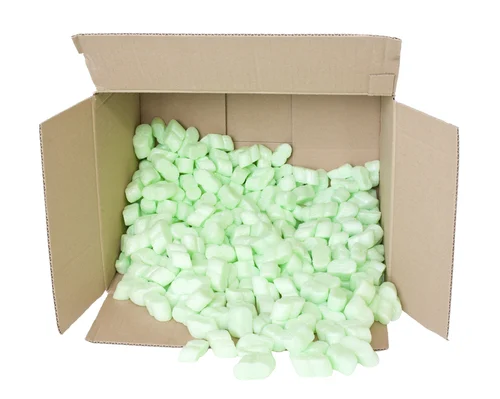
Packing peanuts are lightweight, loose-fill packaging materials designed to fill empty spaces inside shipping boxes. Their primary purpose is to cushion products and prevent movement while a package is being transported.
They are available in different materials, including:
- Expanded Polystyrene (EPS): Durable, lightweight, and moisture-resistant.
- Biodegradable Packing Peanuts: Made from cornstarch or other plant-based materials that dissolve in water and offer a more eco-friendly alternative.
Both types provide excellent cushioning, although biodegradable options are becoming increasingly popular among businesses looking to reduce their environmental impact.
Why Proper Use of Packing Peanuts Matters
Incorrectly packed boxes can result in:
- Broken or chipped products
- Scratched surfaces
- Increased return rates
- Poor customer experiences
- Higher replacement and shipping costs
Using packing peanuts properly helps:
- Minimize movement inside the package
- Absorb impacts during handling
- Protect delicate edges and corners
- Improve overall shipping reliability
Step-by-Step Guide to Using Packing Peanuts Correctly
Step 1: Choose the Right Box Size
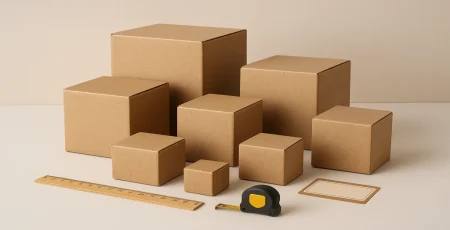
Start with a sturdy corrugated shipping box that matches the size of your product.
Avoid using boxes that are:
- Too large, leaving excessive empty space
- Too small, which compresses the cushioning material
Ideally, leave approximately 2–3 inches of space around the product for protective cushioning.
Step 2: Add a Base Layer
Before placing your item inside the box, pour a layer of packing peanuts onto the bottom.
A good base cushion should be:
- Around 2 inches thick for lightweight items
- 3–4 inches for heavier or fragile products
This bottom layer absorbs shocks if the package is dropped.
Step 3: Wrap Fragile Items First
Packing peanuts should not replace protective wrapping.
Fragile items should first be wrapped using:
- Bubble wrap
- Foam sheets
- Packing paper
This prevents direct contact with the peanuts and adds another layer of impact protection.
Step 4: Place the Item in the Center
Position the wrapped product in the middle of the box.
There should be enough clearance on every side for cushioning material.
Avoid allowing the item to touch:
- Box walls
- Corners
- Bottom or top flaps
Center placement distributes impact more evenly during shipping.
Step 5: Fill All Empty Spaces
This is the most important step.
Slowly pour packing peanuts around every side of the product until all empty gaps are filled.
Pay close attention to:
- Corners
- Side walls
- Areas underneath handles or irregular shapes
The product should remain firmly in place without being compressed.
Step 6: Add a Protective Top Layer
Before sealing the box, add another generous layer of packing peanuts above the product.
This protects against impacts from above and keeps the item suspended inside the cushioning material.
Step 7: Perform the Shake Test
Close the flaps temporarily and gently shake the box.
If you hear or feel movement:
- Open the box
- Add more packing peanuts
- Repeat until the product stays firmly in place
This simple test greatly reduces shipping damage.
Best Practices for Using Packing Peanuts
Use Enough Material
One of the biggest mistakes is underfilling the box.
Insufficient cushioning allows products to shift during transportation.
Don’t Overpack
Too many packing peanuts can compress fragile items and make unpacking difficult.
The goal is firm support—not excessive pressure.
Combine with Other Protective Materials
Packing peanuts work best when paired with:
- Bubble wrap
- Foam inserts
- Corrugated dividers
- Air pillows
- Packing paper
Layered protection offers the highest level of security for delicate shipments.
Seal the Box Securely
Even perfectly packed boxes can fail if they’re poorly sealed.
Use quality packing tape on:
- The center seam
- Side seams
- Bottom flaps
For heavier shipments, use the “H-taping” method for added strength.
Common Mistakes to Avoid
Using Packing Peanuts Alone for Extremely Fragile Items
Glassware, ceramics, electronics, and collectibles should always have additional wrapping.
Packing peanuts primarily fill voids—they aren’t intended to be the only protective material.
Leaving Empty Gaps
Even small air pockets allow movement during transit.
Always fill every gap around the item.
Reusing Damaged Packing Peanuts
Old packing peanuts may become crushed or lose their cushioning ability.
Inspect reused materials before packing valuable products.
Choosing the Wrong Box
Large boxes require significantly more void fill.
Selecting an appropriately sized box reduces packaging costs while improving protection.
What Items Are Best Protected with Packing Peanuts?
Packing peanuts are ideal for:
- Glassware
- Ceramics
- Decorative items
- Collectibles
- Picture frames
- Small appliances
- Toys
- Home décor
- Electronic accessories
- Gifts
- Cosmetic products
They are especially useful for oddly shaped products where custom foam inserts aren’t practical.
Are Packing Peanuts Reusable?
Yes. Traditional EPS packing peanuts can often be reused multiple times if they remain clean and intact.
Many businesses collect and reuse them for future shipments, helping reduce packaging waste and lower shipping expenses.
Biodegradable packing peanuts can also be reused as long as they stay dry and maintain their shape.
Eco-Friendly Disposal Tips
If you’re using biodegradable packing peanuts:
- Dissolve them in water (if the manufacturer recommends it)
- Compost them where appropriate
- Dispose of them according to local waste guidelines
Traditional polystyrene peanuts may be accepted at certain recycling or shipping centers, depending on your local recycling programs.
Frequently Asked Questions
Do packing peanuts prevent items from breaking?
Packing peanuts significantly reduce movement and absorb impacts, but they should be combined with protective wrapping for maximum protection.
Can packing peanuts be used for electronics?
Yes. Electronics should first be wrapped in anti-static materials or bubble wrap before being surrounded with packing peanuts.
How many packing peanuts should I use?
Use enough to completely surround the item on every side while preventing movement during the shake test.
Are biodegradable packing peanuts as protective as foam peanuts?
Yes, for most lightweight and moderately fragile shipments. They provide excellent cushioning while offering a more environmentally friendly option.
Final Thoughts
Using packing peanuts correctly is one of the simplest ways to improve shipping protection and reduce the risk of damaged deliveries. By selecting the right box, wrapping products properly, filling every empty space, and testing for movement before sealing, you can help ensure your items arrive safely at their destination.
Whether you’re packing products for an online store, moving household belongings, or shipping delicate gifts, following these best practices can make a noticeable difference in shipping performance. For dependable packaging supplies—including high-quality packing peanuts, corrugated boxes, bubble wrap, and other shipping essentials—Starboxes offers solutions designed to help businesses and individuals pack with confidence.