


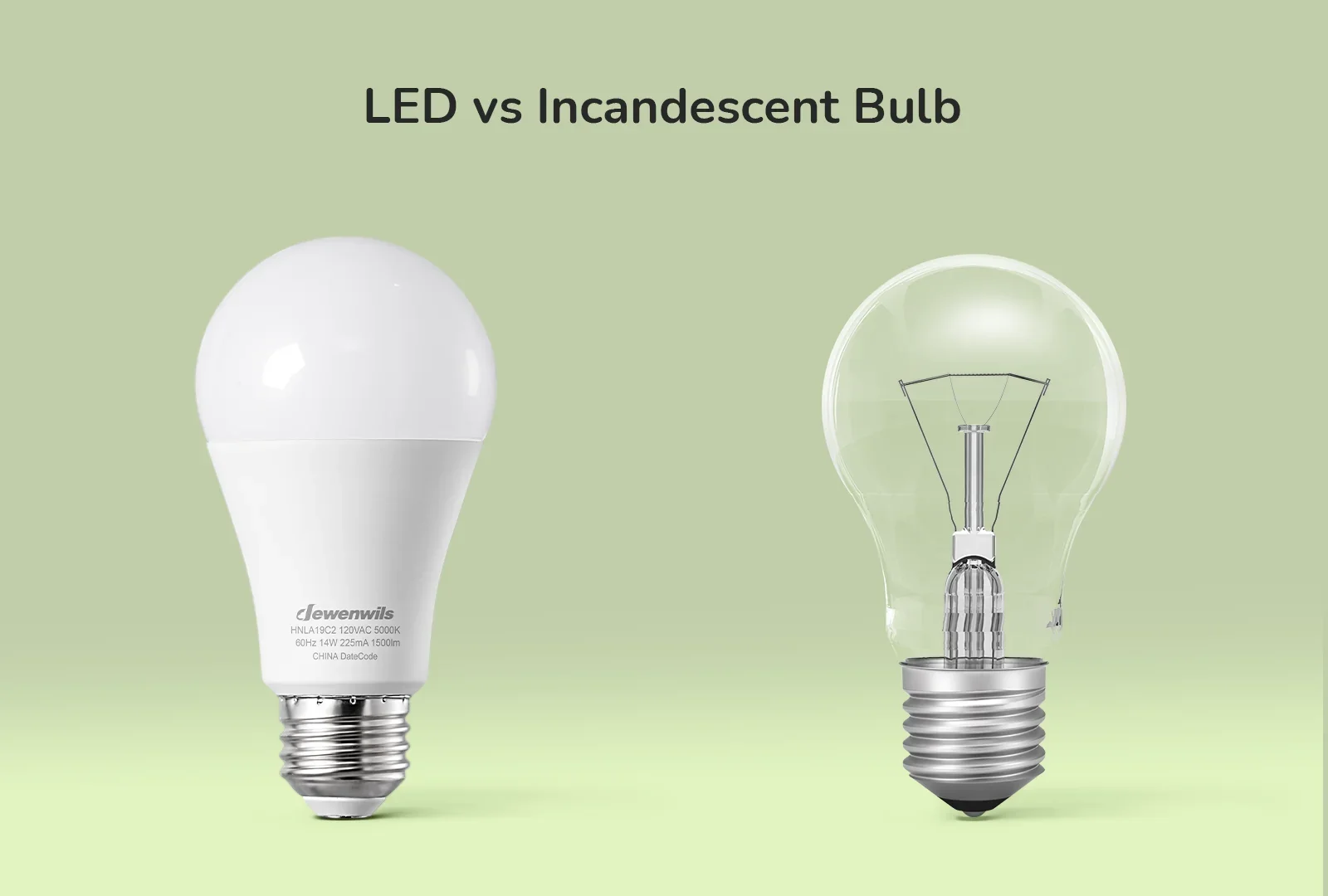
When it comes to decorative lighting, LED candelabra lights have become the preferred choice for homeowners and businesses looking to combine elegance with energy efficiency. Whether you’re upgrading a chandelier, wall sconce, ceiling fan, or decorative fixture, choosing between LED candelabra bulbs and traditional incandescent bulbs can significantly impact your energy bills, maintenance costs, and lighting quality. While incandescent bulbs have long been valued for their warm glow, LED technology now delivers the same inviting ambiance with far greater efficiency and longevity.
In this guide, we’ll compare LED candelabra lights and incandescent bulbs across the factors that matter most, helping you decide which option is best for your home or commercial space.
What Are LED Candelabra Lights?
LED candelabra lights are decorative light bulbs designed with a small candelabra (E12) base. They mimic the appearance of traditional candle-shaped bulbs while using light-emitting diode (LED) technology instead of a heated filament.
These bulbs are commonly used in:
- Chandeliers
- Wall sconces
- Pendant lights
- Ceiling fans
- Decorative lamps
- Dining room fixtures
- Entryway lighting
They are available in various shapes, including flame tip, torpedo, bent tip, and globe styles, making them suitable for both traditional and modern interiors.
What Are Incandescent Candelabra Bulbs?
Incandescent candelabra bulbs produce light by passing electricity through a tungsten filament until it glows. Although this technology has been used for over a century, it converts much of the electricity into heat rather than light.
These bulbs provide a familiar warm appearance but generally require more energy and frequent replacement than LED alternatives.
LED Candelabra Lights vs Incandescent Bulbs: Side-by-Side Comparison
| Feature | LED Candelabra Lights | Incandescent Bulbs |
| Energy Consumption | Very low | High |
| Lifespan | 15,000–25,000+ hours | Around 1,000 hours |
| Heat Output | Minimal | Very high |
| Maintenance | Rare replacements | Frequent replacements |
| Brightness | Consistent | Gradually dims with age |
| Color Options | Warm, neutral, daylight | Mostly warm white |
| Environmental Impact | Lower energy use and less waste | Higher energy consumption |
| Long-Term Cost | Lower | Higher |
Energy Efficiency
One of the biggest advantages of LED candelabra lights is their exceptional energy efficiency.
An LED bulb typically uses 80–90% less electricity than a comparable incandescent bulb while producing similar brightness. For example:
- 4–6W LED ≈ 40W incandescent
- 5–7W LED ≈ 60W incandescent
If your chandelier contains multiple bulbs, switching to LEDs can dramatically reduce electricity usage throughout the year.
Why It Matters
- Lower monthly utility bills
- Reduced energy consumption
- Better for homes with multiple decorative fixtures
- Ideal for lights that stay on for long periods
Lifespan
LED bulbs last significantly longer than incandescent bulbs.
Typical Lifespan
- LED candelabra lights: 15,000–25,000 hours or more
- Incandescent bulbs: Approximately 1,000 hours
This means a single LED bulb can last many years under normal household use, while incandescent bulbs may require replacement every year or even sooner.
For chandeliers installed in high ceilings or hard-to-reach areas, fewer bulb changes can save both time and effort.
Heat Production
Incandescent bulbs generate a substantial amount of heat because much of their energy is lost as thermal output.
LED candelabra lights remain much cooler during operation, making them:
- Safer around decorative fixtures
- Better for enclosed lighting
- More comfortable in warm climates
- Less likely to affect nearby materials
Lower heat output can also contribute to improved indoor energy efficiency by reducing unnecessary heat buildup.
Brightness and Light Quality
Many people associate incandescent bulbs with warm, inviting light. Fortunately, modern LED technology closely replicates this appearance.
LED candelabra lights are available in several color temperatures:
- 2700K: Warm white (similar to incandescent)
- 3000K: Soft white
- 4000K: Neutral white
- 5000K: Daylight
High-quality LEDs also offer excellent color rendering, allowing furniture, artwork, and décor to appear natural and vibrant.
Dimming Performance
Traditional incandescent bulbs have long been known for smooth dimming.
Today’s dimmable LED candelabra lights perform exceptionally well when paired with compatible LED dimmer switches.
Benefits include:
- Adjustable ambiance
- Lower energy use at reduced brightness
- Extended bulb lifespan
- Greater lighting flexibility
Always verify that both the bulb and dimmer are compatible for the best performance.
Maintenance Requirements
Replacing chandelier bulbs can be inconvenient, especially in large homes or commercial spaces.
Because LED bulbs last many times longer than incandescent bulbs, they offer:
- Less frequent maintenance
- Lower replacement costs
- Reduced labor for commercial buildings
- Greater convenience for hard-to-access fixtures
Environmental Impact
LED technology is generally considered the more environmentally responsible lighting option.
Compared to incandescent bulbs, LED candelabra lights:
- Consume significantly less electricity
- Produce fewer greenhouse gas emissions through reduced energy demand
- Last longer, creating less waste over time
- Do not rely on fragile filaments that burn out quickly
Using less energy also helps reduce the overall environmental footprint of a home or business.
Cost Comparison
LED bulbs usually have a higher purchase price than incandescent bulbs.
However, evaluating the total cost of ownership tells a different story.
Incandescent Costs
- Lower initial price
- Higher electricity bills
- Frequent replacements
- More maintenance
LED Costs
- Slightly higher upfront investment
- Much lower energy usage
- Long lifespan
- Reduced replacement frequency
Over several years, LED candelabra lights often provide substantial savings through lower operating and maintenance costs.
Where LED Candelabra Lights Work Best
LED candelabra lights are an excellent choice for:
- Dining room chandeliers
- Living room lighting
- Hallways
- Staircases
- Bedrooms
- Wall sconces
- Ceiling fans
- Hotels
- Restaurants
- Event venues
- Retail displays
Their combination of decorative style, energy efficiency, and long lifespan makes them suitable for nearly any space that uses candelabra-base fixtures.
When Might Incandescent Bulbs Still Be Used?
Although LEDs outperform incandescent bulbs in most categories, incandescent options may still appeal in a few situations:
- Temporary decorative displays
- Vintage lighting restorations
- Fixtures requiring older bulb technology
- Users seeking a specific nostalgic aesthetic
However, these cases are becoming increasingly uncommon as LED technology continues to improve.
Tips for Choosing LED Candelabra Lights
When shopping for LED candelabra bulbs, consider the following:
- Confirm the bulb uses the correct E12 candelabra base.
- Select the appropriate brightness based on lumens rather than watts.
- Choose a color temperature that matches your room’s atmosphere.
- Verify dimmability if your fixture uses a dimmer switch.
- Look for high CRI (Color Rendering Index) for more natural-looking colors.
- Choose bulbs from reputable manufacturers for reliable performance and longer warranties.
Frequently Asked Questions
Do LED candelabra lights fit the same fixtures as incandescent bulbs?
Yes. Most LED candelabra bulbs use the standard E12 base, making them compatible with fixtures designed for incandescent candelabra bulbs.
Do LED candelabra lights look as warm as incandescent bulbs?
Yes. A 2700K LED closely replicates the warm glow of a traditional incandescent bulb while using far less electricity.
Can I use LED candelabra lights in chandeliers?
Absolutely. They are one of the most common choices for chandeliers because of their decorative appearance, low heat output, and long lifespan.
Are LED candelabra lights worth the higher upfront cost?
For most homeowners and businesses, yes. Lower electricity usage, fewer replacements, and reduced maintenance often make LEDs more economical over time.
Final Thoughts
When comparing LED candelabra lights with incandescent bulbs, LED technology clearly offers advantages in energy efficiency, lifespan, safety, maintenance, and long-term value. While incandescent bulbs continue to provide a familiar warm glow, modern LEDs deliver a nearly identical appearance while consuming a fraction of the electricity and lasting many times longer.
If you’re ready to upgrade your decorative lighting, choosing high-quality LED candelabra lights can help you create beautiful, energy-efficient spaces without compromising on style. Buy LED Online offers a wide selection of dependable LED lighting solutions, making it easier to find the right candelabra bulbs for residential and commercial applications.